How to Store Flour, Rice and Pasta to Keep Them Weevil-Free in UK Kitchens
There are few kitchen disappointments quite like tipping flour into a bowl and watching tiny dark specks move. Weevils and pantry moths are not a sign that your housekeeping is poor. They usually arrive in the bag you brought home, already hidden as eggs or larvae. In a UK kitchen, with its kettles, dishwashers and central heating, those eggs can hatch and spread from one packet to the next. The good news is that a few simple habits — proper containers, sensible shelf positions and strict rotation — keep flour, rice and pasta fresh and pest-free without turning your cupboard into a laboratory.
Why Weevils Turn Up in Dry Goods
Weevils are small beetles that feed on grains and flour. Pantry moths do similar damage, leaving fine webbing and clumps. The adults are visible; the eggs and larvae are not. A bag of flour, rice or pasta from the supermarket may already contain them. Cardboard boxes and paper bags are porous, easily torn and rarely airtight. They also give pests places to hide in folds, seams and glued corners. Once a packet is opened, the clock starts ticking. In a warm UK kitchen — especially one with an oven, dishwasher, kettle and central heating — eggs can hatch within days or weeks. The pests then chew through paper, climb between packets and lay eggs in the next bag of flour or rice. This is why an infestation can seem to appear from nowhere.
Pantry moths add another layer of nuisance. The adult moths flutter around lights, while the larvae leave silky webbing, clumps and a sour smell in flour, rice and pasta. They are not usually dangerous in tiny amounts, but they ruin food and spread quickly. The answer is not harsh chemicals near your food. It is exclusion: keep dry goods in sealed containers, keep the cupboard cool and dry, and use older packets before new ones.
Start With the Shopping Bag: Freeze and Decant
When you bring flour, rice or pasta home, treat it as potentially infested. That sounds alarmist, but it is the single best way to stop a problem before it starts. If you have freezer space, put new packets in the freezer for at least four days at -18°C. This kills eggs and larvae that came from the shop or warehouse. Let the packet return to room temperature before opening, so condensation does not make the flour damp.
- Freeze first: A four-day freeze is a simple insurance policy for flour, rice and dried pasta.
- Decant immediately: Once frozen and warmed, move the contents into airtight containers rather than leaving them in the original bag.
- Label and date: Write the contents and the date on the container. This makes rotation effortless.
- Keep the old packaging: If you need cooking instructions or allergy information, cut it out and store it in a notebook or phone note.
The Right Containers for UK Kitchens
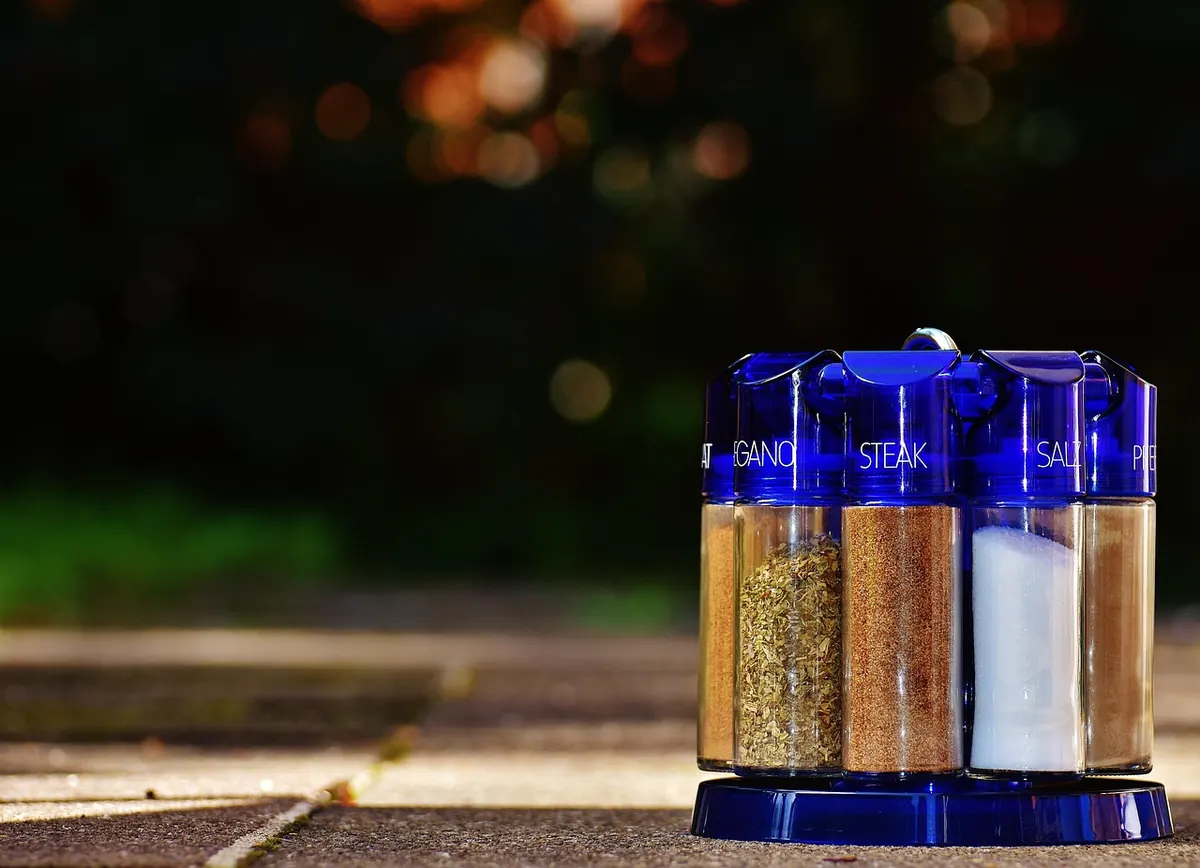
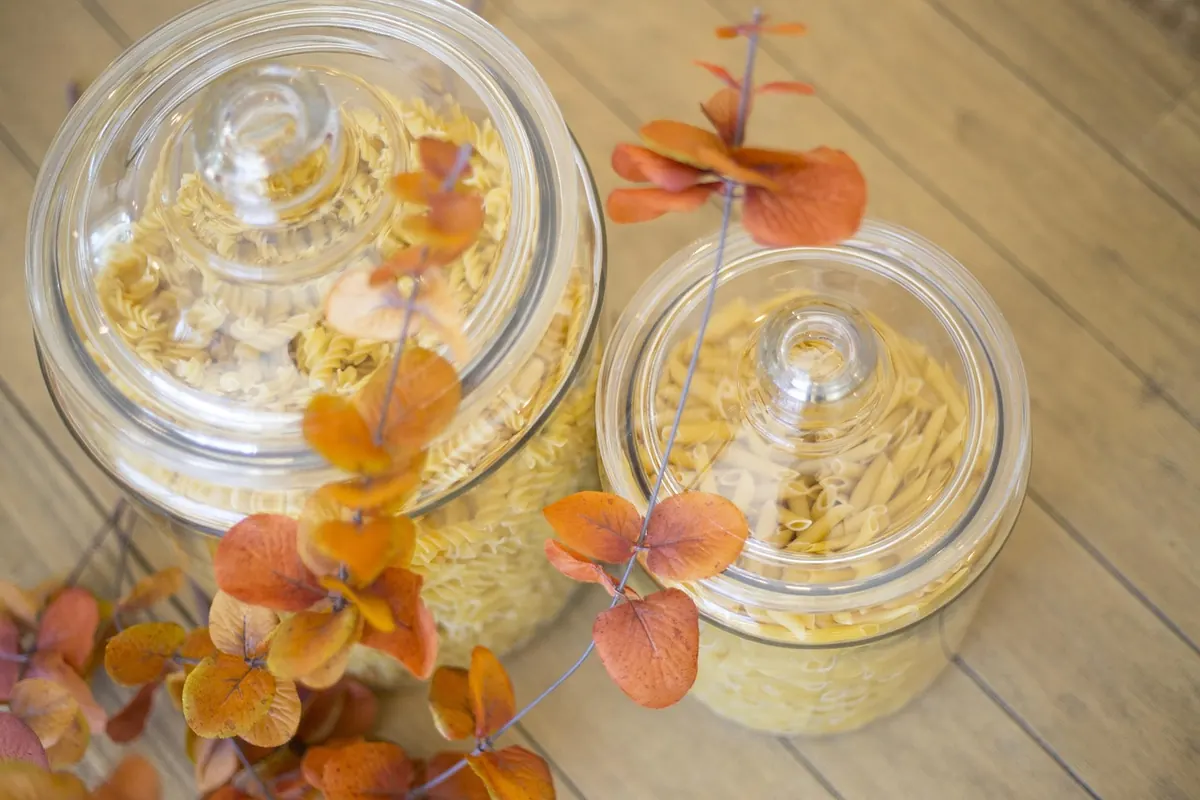
An airtight container is not just a tidy accessory. It is a physical barrier. Pests can squeeze through tiny gaps, so a clip-top jar with a worn seal or a plastic tub that “almost” closes is not good enough. Look for containers with silicone gaskets, locking tabs or screw lids that sit flush. Glass jars are excellent because they do not hold smells or stains, and you can see at a glance what needs using up. Good-quality plastic containers are lighter and cheaper, especially for large bags of rice or pasta.
Containers that work
- Glass kilner-style jars with rubber seals and metal clips.
- Plastic cereal and flour containers with silicone gaskets and four-side locking lids.
- Screw-top jars for small amounts of rice, seeds or leftover pasta shapes.
- Stackable airtight boxes that fit your cupboard height and are easy to pull out.
Containers that fail
- Open bags rolled down and clipped — pests can still crawl in.
- Cardboard boxes and paper bags, which absorb moisture and hide eggs.
- Thin plastic bags that tear and do not seal properly.
- Decorative jars with loose-fitting lids or cork stoppers.
Where to Store Dry Goods
The location matters as much as the container. Weevils and moths prefer warmth, darkness and a little humidity. A cupboard next to the oven, above the kettle or beside a radiator is an invitation. The ideal spot is a cool, dry, dark cupboard away from direct sunlight and steam. If your kitchen is small, choose the highest or lowest cupboard rather than the one beside the hob. Keep flour, rice and pasta away from strong-smelling spices and cleaning products, because flour and rice absorb odours easily.
- Cool: Aim for below 20°C if possible.
- Dry: Avoid cupboards under sinks or next to dishwashers.
- Dark: Light encourages moths and can degrade flour quality.
- Separate: Keep new packets away from opened containers until you have checked them.
Rotation: The Habit That Stops an Outbreak
Even the best containers fail if you keep old packets at the back for years. Use a first-in, first-out system. When you buy new flour, rice or pasta, put it behind or below the older stock. Check dates every few weeks. If you decant into jars, keep the oldest jar at the front. This is not fussy; it is how commercial kitchens avoid waste and pests. A simple rule is: if you cannot remember when you bought it, use it in the next meal or compost it.
- Place newly bought dry goods at the back.
- Move older containers to the front.
- Use the oldest flour for baking, the oldest rice for a curry, and the oldest pasta for a quick supper.
- Refill containers only after they have been washed and dried completely.
Flour, Rice and Pasta: Slightly Different Rules
Flour
Flour is the most vulnerable because it is a fine powder. Wholemeal and self-raising flours contain more oils and moisture, so they spoil faster than plain white flour. Keep flour in a truly airtight container and use it within a few months. If you bake only occasionally, buy smaller bags. A large sack may be cheaper, but it is also a larger nursery for pests.
Rice
White rice keeps well, but brown rice contains oils that can go rancid. Rice weevils are common in long-stored bags. After freezing, store rice in a sealed jar or tub. Do not mix new rice with old rice. If you buy large sacks from specialist shops, decant into smaller containers so you open only what you need.
Pasta
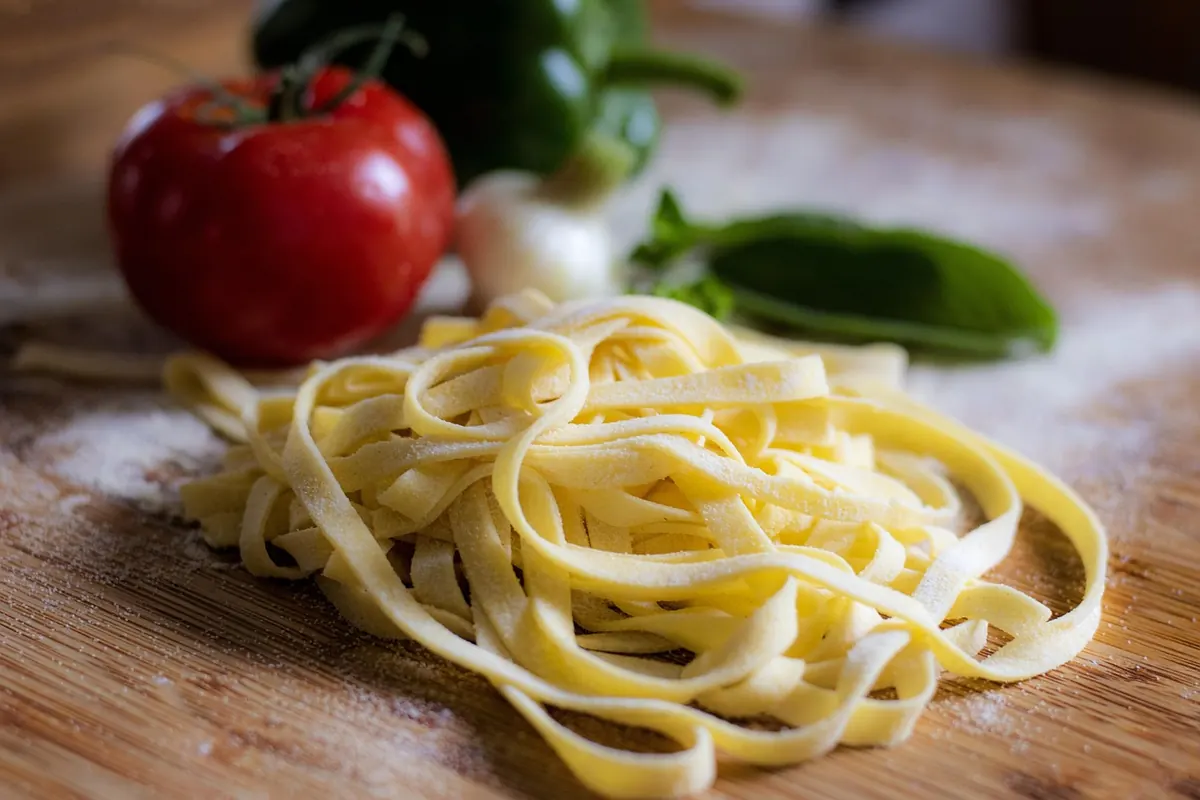
Dried pasta is less attractive to weevils than flour, but pantry moths still lay eggs in the ridges and folds of shapes like fusilli or conchiglie. Keep pasta in airtight containers, and use opened packets within a reasonable time. Fresh pasta belongs in the fridge and should be eaten by its use-by date.
What to Do If You Already Have Weevils
Finding weevils is annoying, but it is manageable. Do not panic and do not spray insecticide near food. Start by emptying the affected cupboard completely. Throw away any packet that shows live insects, webbing or clumps. If you are unsure, throw it out. Then vacuum every shelf, corner and crevice, including the hinges and the gap between shelves. Wash the cupboard with hot soapy water, dry it thoroughly, and leave it open for a few hours. Check all sealed containers for gaps or damaged seals. Any container that is not airtight should be washed and replaced.
- Empty the cupboard and inspect every packet.
- Discard infested food in an outside bin.
- Vacuum shelves, crevices and containers.
- Wash with hot soapy water and dry completely.
- Replace damaged containers and restock only after the cupboard is dry.
If you find moths, pheromone traps can help monitor adults, but they do not solve the source. The source is almost always an opened packet or a cracked container.
Myths and Shortcuts That Do Not Work
- Bay leaves: They may add a scent, but they do not reliably kill or repel weevils.
- Cloves or garlic: Strong smells do not make an infested packet safe.
- Sunlight: Leaving flour in the sun can make it damp and does not kill hidden eggs.
- Only buying small bags: Helpful, but useless if the bag is left open in a warm cupboard.
- Freezing for a few hours: Too short to kill all eggs and larvae reliably.
A Five-Minute Monthly Check
Set a reminder on your phone for the first weekend of the month. Open each container, smell the contents, and look for clumps, webbing or moving specks. Wipe up any spilled flour or rice immediately, because even a spoonful can feed a new generation. Check the dates on shop-bought packets and move older items to the front. This small routine takes less time than a cup of tea, and it catches problems while they are still small.
- Open and inspect every flour, rice and pasta container.
- Wipe shelves and vacuum crumbs.
- Rotate older containers to the front.
- Wash and dry any empty container before refilling.
- Replace worn seals or cracked lids.
Weevils are persistent, but they are not invincible. With airtight containers, a cool dark cupboard, a four-day freeze for new packets, and a simple first-in, first-out habit, your UK kitchen can stay free of unwanted movement in the flour. The reward is boring in the best way: dry goods that smell fresh, bake well and last until you are ready to use them.
Photo: Mrdidg / Pixabay