Somewhere in most freezers there is a foil-wrapped mystery. It might be bolognese. It might be apple crumble. You will find out on a Tuesday night when you are hungry and out of options. Freezing is the most useful pantry skill there is — it turns a glut of cooked lentils, a vat of tomato sauce or the end of a bag of spinach into a future dinner — but it only pays off if what goes in is cooled, portioned and labelled properly, and if it comes back out in a sensible order.
What freezes well, and what needs adjusting first
Stews, curries, ragu, soups, dahls and chilli are the easy wins. So are cooked beans and chickpeas, though they freeze best with a little liquid or oil around them; frozen dry they can turn mealy. Cooked rice freezes perfectly well in portions as long as it is cooled quickly and reheated until piping hot all the way through — rice left sitting warm at room temperature is where the trouble starts, so deal with it promptly rather than letting it cool on the hob all evening.
A few things benefit from a small adjustment. Pasta dishes are better if the pasta is cooked a minute short of al dente. Cream sauces can split on reheating, so freeze the base and stir the cream in afterwards. Chunks of potato in soup can go grainy; mashed potato, enriched with butter, freezes much better. Hard cheese becomes crumbly, so grate it before it goes in. Soft herbs keep their colour if you chop them into a little oil and freeze them in an ice cube tray.
Cool it down before it goes anywhere near the freezer
A freezer is not a cooling device. A hot pan raises the temperature of everything around it, which is unkind to the food already in there and slows the whole process down.
Spread the food out. Decant into shallow containers rather than one deep tub, or sit the pan in a sink of cold water and stir now and then. A batch of soup split across four small tubs will cool in a fraction of the time it takes in one big pot. Aim to have it in the fridge within about 90 minutes, and don't leave it out overnight — that is one of the few genuinely risky habits in a home kitchen.
Once cold, freeze it. And don't freeze food that has already spent four days in the fridge; freezing pauses things, it does not reset them. If you are ever unsure about a specific food safety question, check current official guidance rather than a forum thread.
Portion for the meal you will actually eat
Most freezer waste comes from portions that don't match real evenings. Freeze in the shape of your life: singles for the nights you're on your own, doubles for the two of you, a family portion for the weekends.
- Flat bags for sauces and soups. Fill, press flat, stack like files. They thaw in minutes and take up far less room.
- Silicone muffin trays for small things. Stock, tomato purée, pesto, chopped herbs in oil, leftover wine for cooking. Freeze, pop out, bag up.
- Containers that go from freezer to oven or microwave if you can, so there's no decanting on a tired evening. Check the manufacturer's guidance for your own tubs.
- Leave headspace. Liquid expands. Glass needs more room than plastic, and a Kilner jar filled to the brim will not forgive you.
Labels that earn their keep
Masking tape and a permanent marker work as well as anything sold as freezer kit. Freezer tape sticks better at low temperatures. Whatever you use, write the label before you fill the container, and stick it on the lid or across the seal if there is any chance the lid will end up on a different box by March.
Four things, every time: what it is, the date it went in, how many portions, and any reheating note that matters. If it is a component rather than a finished dish — unsalted stock, a plain tomato base, an unseasoned dahl — say so, because future you will assume it is ready to eat.
On dates: quality fades long before frozen food becomes a safety concern, and most home cooks work to a rough three-month guideline for cooked meals. Fatty fish and some baked goods are best within a month. Write the date anyway. It is the difference between a confident dinner and a shrug.
Rotation: first in, first out
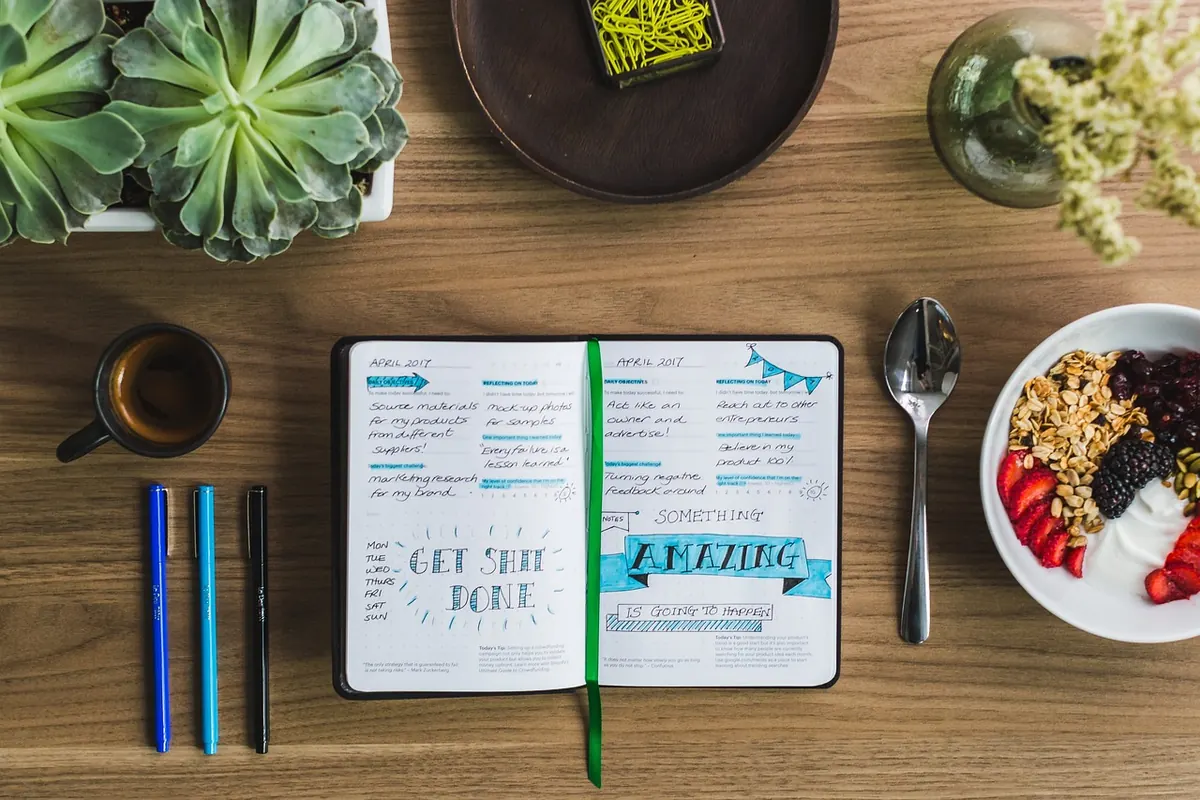
A full freezer is only useful if you can find things, and the oldest items are the ones you should be reaching for. Keep a list — a sheet on the freezer door, a page in a notebook, a note on your phone — and update it as you add and remove. It takes seconds and saves entire dinners.
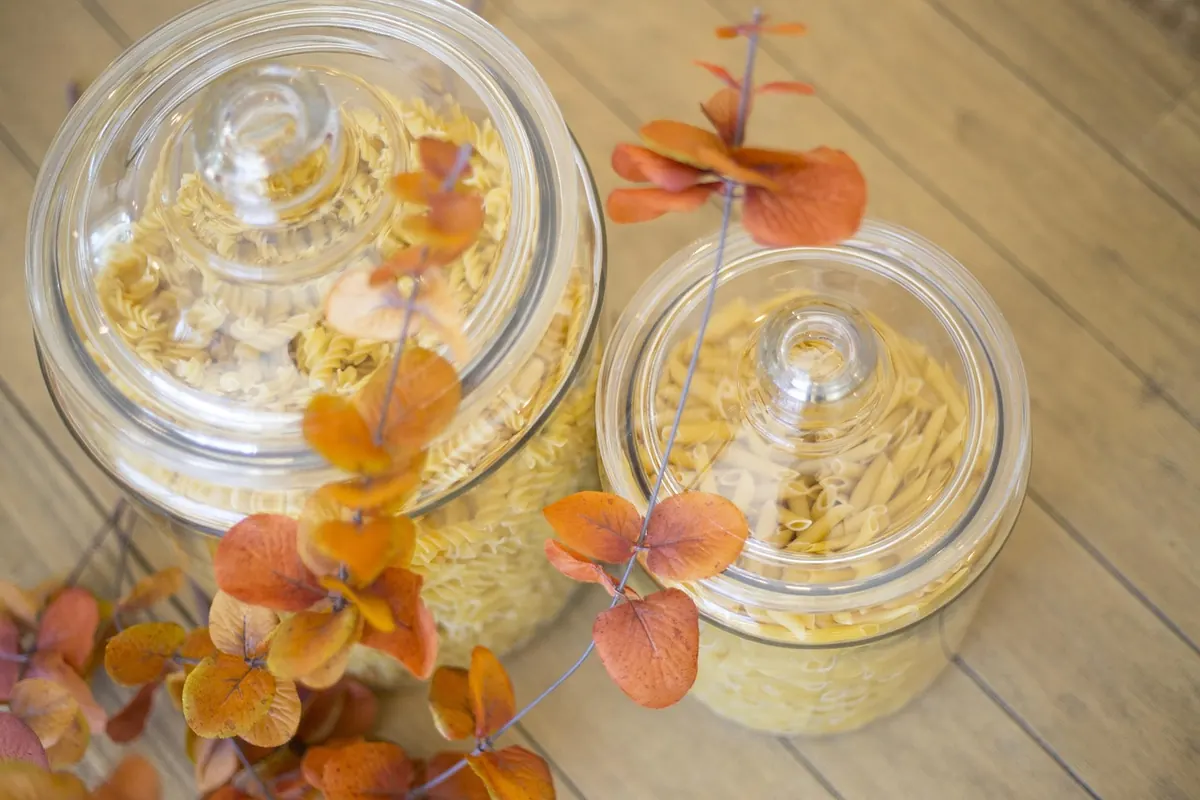
Give the oldest items a place to live: a basket marked eat me first, or simply the shelf at eye level. Every week, shuffle the older things forward the way you would in a shop. The same rule applies on the pantry shelf — new bags of rice, pasta and pulses go behind the old ones, never in front.
Then plan from it. Once a week, take the two oldest things out of the freezer and build a meal around them. That single habit does more for your food bill than any shopping strategy.
Turning pantry odds and ends into freezer stock
This is where batch cooking pays off. Half a tin of tomato purée becomes eight cubes. The last cup of red lentils becomes a dahl in two portions. Wilting carrots, celery tops and onion skins become stock, frozen in 500ml tubs so you can grab exactly what a recipe needs. Grated ginger, chopped chilli and citrus zest all freeze well in small bags, and you can break off what you need without thawing the lot.
Label these properly too. A tub of brown liquid is either stock or gravy, and the difference matters at seven o'clock on a Wednesday.
The ten-minute freezer reset
Once a month, set a timer and work through it. Bin anything with freezer burn or no label, wipe the shelves while it's half empty, rewrite the inventory, and choose next week's meals from whatever is oldest. Then put three things back in properly labelled. That's it — no reorganisation project, no matching containers.
Start with one batch this week: cook a little more than you need, cool it properly, portion it for a real evening, and write on the lid. Do that four or five times and the freezer stops being a place where food goes to be forgotten and starts behaving like a second pantry — one that hands you dinner.
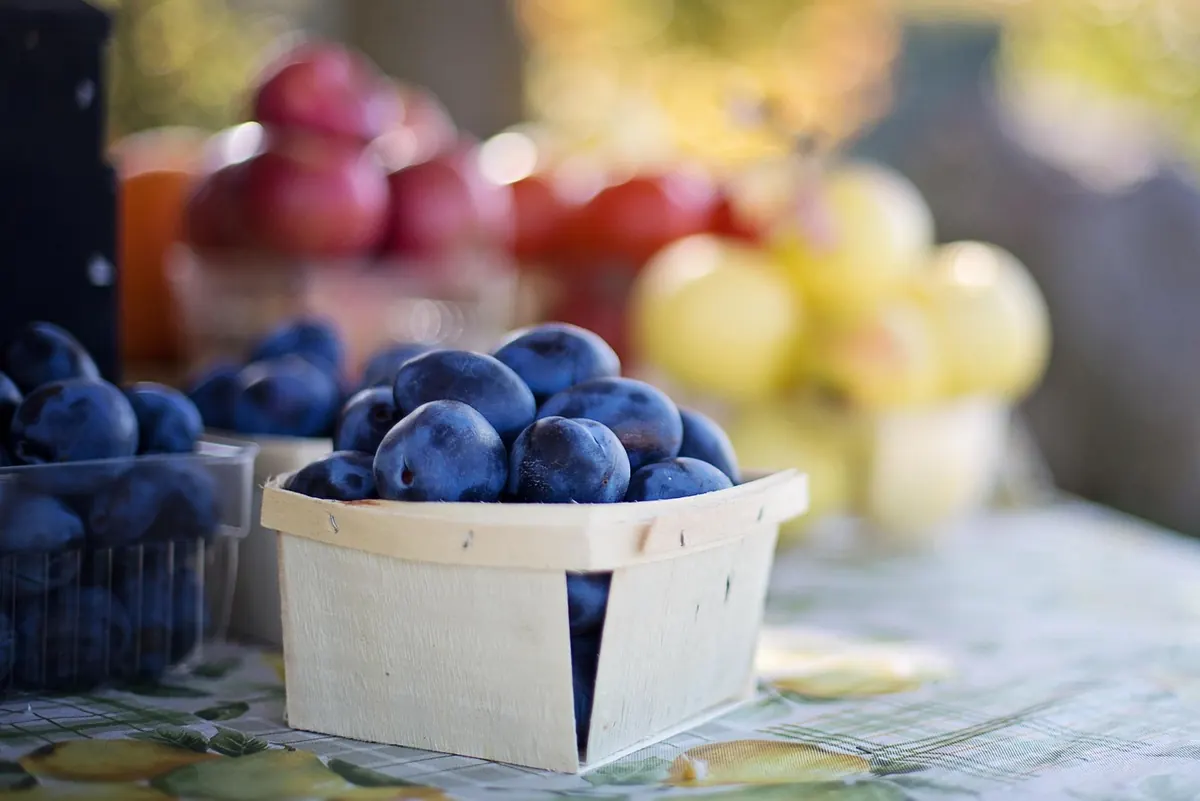
Photo: JillWellington / Pixabay