A full pantry feels like security until it is Thursday evening, you are hungry, and nothing in it looks like a meal. Tins, jars and bags of pulses do not arrange themselves into a fortnight of dinners. What turns them into one is a method: count what is there, group it, then build a repeating structure around the things you already own.
The whole exercise takes about forty minutes the first time and roughly twenty minutes in any fortnight after that. It works whether your pantry is one shelf above the kettle or a cupboard you can walk into.
Start with a written inventory, not a memory
Open every cupboard, the freezer, the vegetable rack and the fridge, and write down what is actually there with rough quantities: two tins of chickpeas, half a bag of red lentils, most of a bag of frozen spinach, three onions, a quarter jar of curry paste.
Group as you write: grains and pasta; tins and jars; dried pulses and nuts; spices, oils and sauces; freezer; fresh and root vegetables. Put a mark next to anything opened, elderly or close to its date. Those items lead the plan. Everything else can wait its turn.
Two rules keep the list useful. Count only what you would genuinely eat — the dusty tin bought on a whim is not an ingredient, it is clutter. And note the gaps as carefully as the surplus: no oil, one egg, two potatoes. Gaps decide your shopping list later.
Sort the list into three working groups
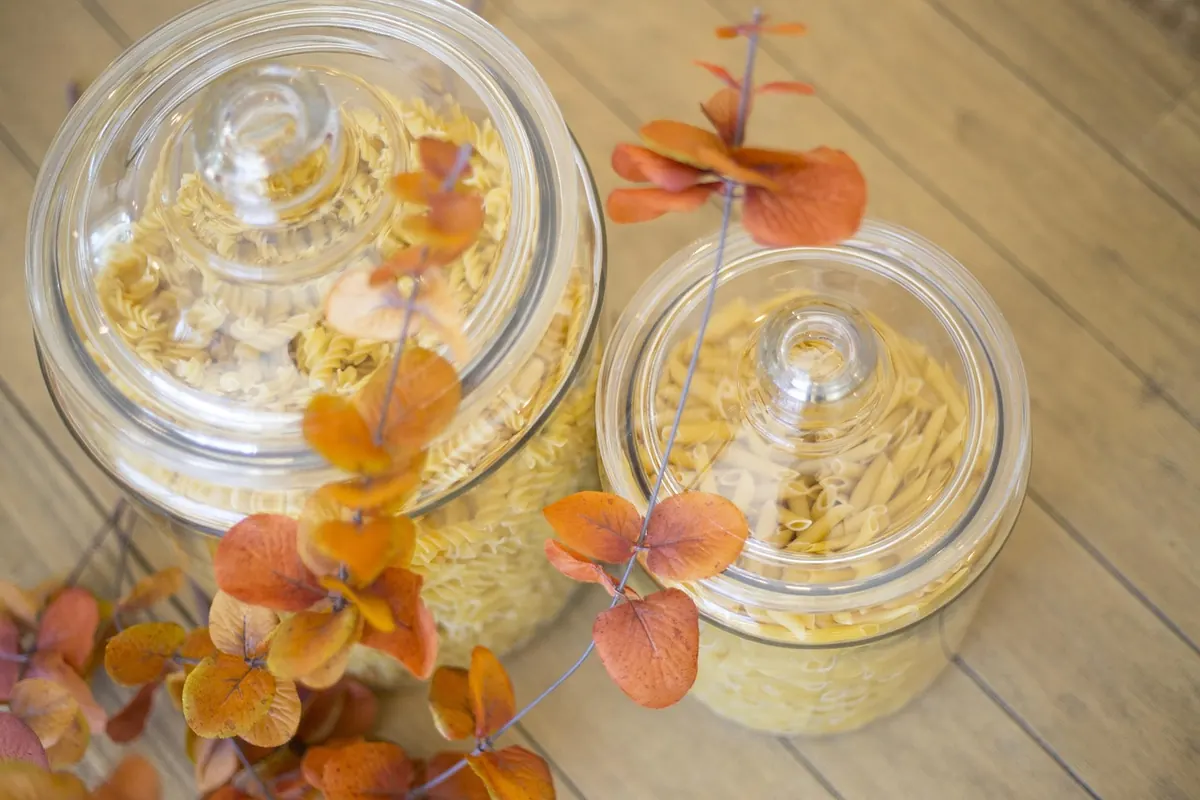
Backbone. Long-keeping things that can carry a meal: rice, pasta, couscous, oats, potatoes, tinned tomatoes, stock cubes, onions, garlic, oil, dried lentils, tinned beans, spices. This is the skeleton of the fortnight.
Use first. Anything perishable or already opened: fresh vegetables, dairy, bread, cooked grains left from yesterday, half a cabbage, the last of a bag of frozen peas.
Boosters. Small, strong flavours that change a dish's character: curry paste, olives, capers, sun-dried tomatoes, frozen herbs, a hard cheese end, lemon, chilli flakes, a tin of anchovies, a spoon of mustard.
A plan built only from backbone is edible but dull, and dull plans get abandoned. Boosters are what stop the second week tasting exactly like the first.
Write patterns for breakfast and lunch, anchors for dinner
You do not need fourteen different dinners; you need five or six that repeat in different guises. Start with anchors — the big, flexible cooks that feed several meals:
- A large pot of tomato and lentil sauce, which becomes pasta on Monday, soup on Wednesday and a baked egg dish on Friday.
- A tray of roasted vegetables, which fills a grain bowl, a frittata and a sandwich.
- A pot of beans or chickpeas, used in a curry, a salad and a mash-topped bake.
- A batch of plain rice or couscous, kept for two days and reheated thoroughly.
Breakfast and lunch are better written as patterns than recipes. Three or four breakfast patterns are plenty: porridge with whatever fruit is in the bowl; eggs on toast; yoghurt with nuts and jam; toast with something from a jar. The same for lunches — soup from the vegetable drawer, a grain bowl built from leftovers plus a booster, a sandwich, or last night's dinner reheated.
Layer the fortnight on a simple weekly shape
Give each day a role rather than a recipe. Monday: pasta. Tuesday: soup and bread. Wednesday: grain bowl. Thursday: traybake. Friday: curry or stew. Saturday: eggs, or whatever needs using up. Sunday: a bigger cook that stocks the week ahead.
Then repeat the shape in week two with different boosters, different vegetables and different grains. Same structure, different flavour. This is why the plan survives contact with a busy Tuesday and a forgotten defrosting.
Build in two flex slots and a set of swap rules
Leave one dinner and one lunch unassigned each week. They become the overflow valve for late meetings, leftovers and odd quantities. Without them, the plan breaks the first time life interferes.
Decide your swaps in advance so you never have to think hard at six o'clock:
- Any tinned bean swaps for any other bean, weight for weight.
- Any grain swaps for any grain, adjusting liquid and cooking time.
- Any root vegetable swaps for any other root vegetable.
- Fresh herbs swap for frozen or dried; lemon zest swaps for a splash of vinegar.
Shop the gaps, not the recipes
Now put the plan beside your inventory and buy only the difference. In practice that is usually fresh vegetables, dairy, bread, eggs and the odd booster. Because the plan was built from what you own, the shop is short, and nothing you buy arrives with no purpose.
Keep an eye on food safety as you batch cook: cool leftovers quickly, refrigerate them, and eat them within a couple of days. Reheat thoroughly rather than gently. If you are cooking for someone with an allergy or a medical condition, follow their guidance and read labels every time, since ingredients change.
Keep it visible and revise every fortnight
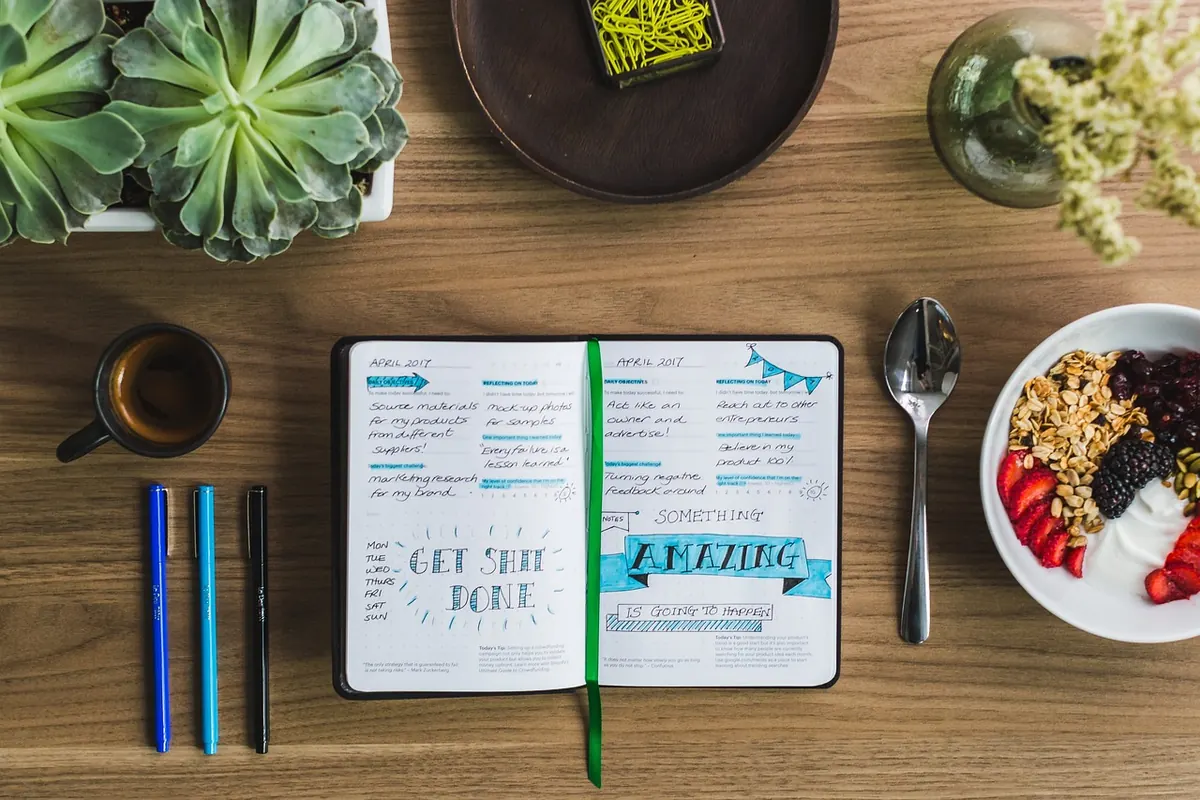
Write the plan on a single sheet and stick it where you cook. Cross days off. Note what actually happened — the meal nobody ate, the one that used up three things at once — and let those notes shape the next fortnight. Within a month or two your pantry stops being a storage problem and starts being the reason dinner is easy.
Photo: StockSnap / Pixabay