Open the pantry door and there is a faint grey web across the porridge oats, or a bag of flour that smells oddly of old paint. Storage containers will not fix everything in a kitchen, but they fix more than almost anything else you can buy. The three materials most people weigh up are clear plastic, glass and stainless steel, and each one wins somewhere and loses somewhere else. Most well-run pantries end up using all three, for different jobs.
A quick comparison
Before the detail, here is the short version:
- Clear plastic. Cheapest per litre, lightest, easy to stack, but it can stain, hold on to smells and be chewed by rodents. Best for large volumes of dry goods you get through quickly.
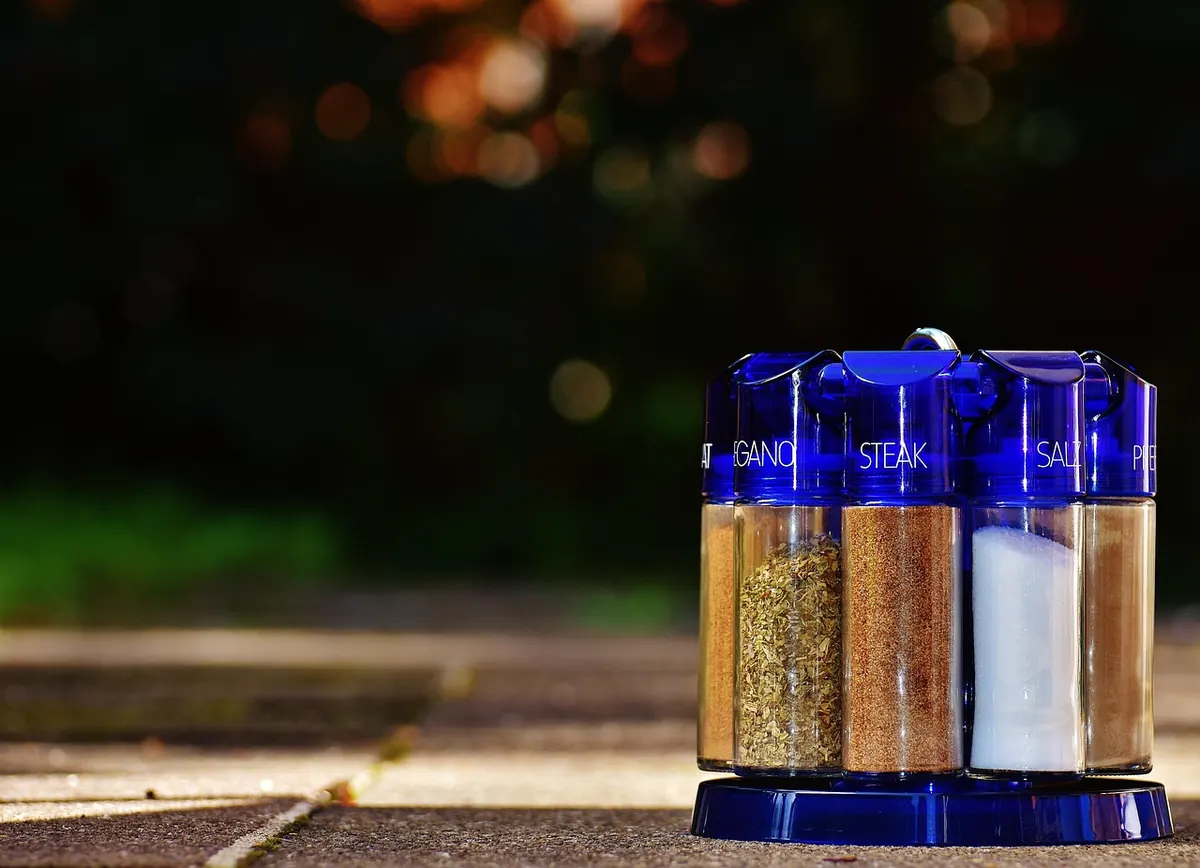
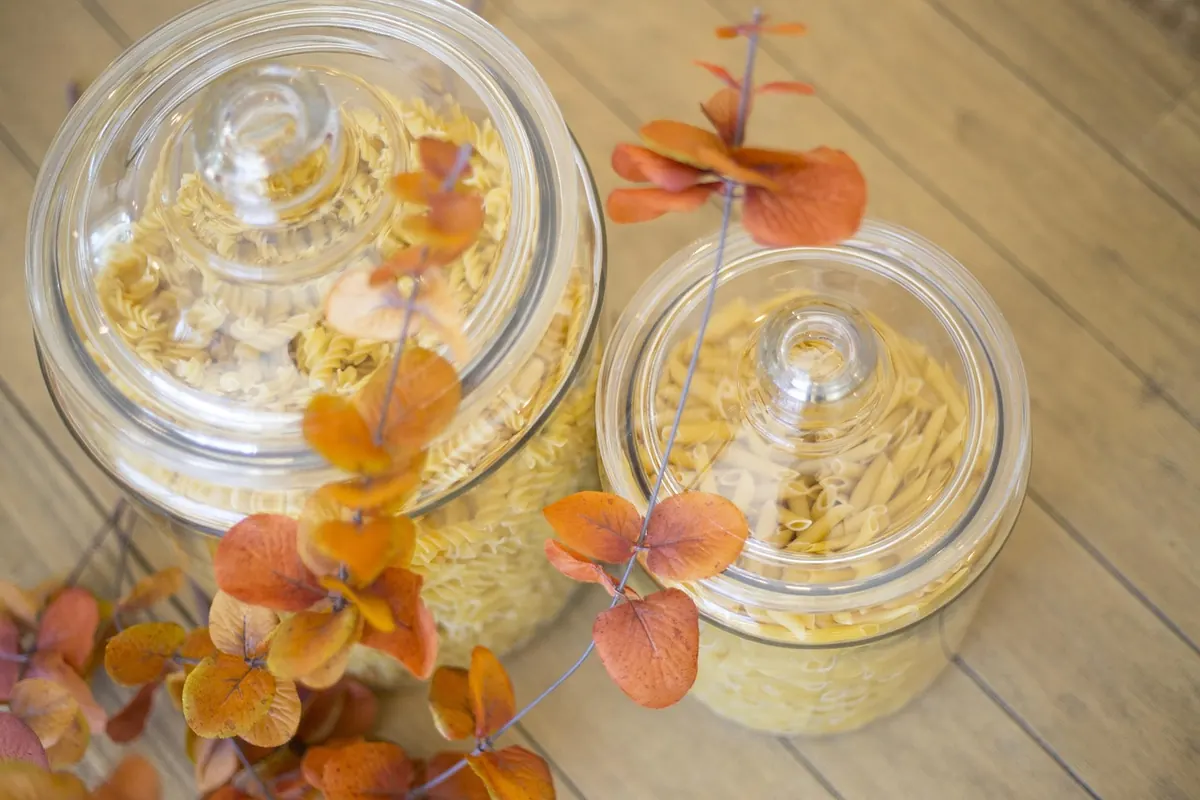
- Glass. Does not stain, does not keep odours, cannot be gnawed through, but it is heavy and breakable. Best for everyday staples, spices and anything you want to see at a glance.
- Stainless steel. Blocks light, tough, usually the priciest, and completely opaque. Best for oils, coffee and greasy cupboards where plastic degrades over time.
Cost: cheap upfront, or cheap over time?
Per litre of storage, clear plastic is the cheapest by a clear margin, glass sits in the middle, and stainless steel is at the top. That is only half the calculation. Plastic tubs with thin walls warp in a hot dishwasher, lids crack, and turmeric or curry powder leaves a permanent orange haze. Replace a cheap set twice and you have spent more than one decent set of glass jars would have cost.
The practical answer is to buy in two stages. Start with a handful of containers in the sizes you actually use — a one-litre jar for rice, a two-litre tub for flour, a small square for spices — rather than a matching set of twelve. Then add to it as you notice what keeps running out of space.
Airtightness: the seal does the work, not the material
Glass is not automatically airtight, and plastic is not automatically leaky. What matters is the lid. A jar with a silicone gasket and a clamp or screw band will keep flour fresh for months. A pretty glass jar with a cork stopper or a loose wooden lid will not, however much it costs.
Look for a silicone or rubber gasket, a lid that latches on all four sides or clamps down, and a wide opening so you can get a scoop in and a hand around the rim to clean it. Tins with a folded lip and a push-on lid look smart but let air — and insects — move in and out.
Quick test: fill the container with water, close it, and turn it upside down over the sink. If it drips, it will not keep flour fresh either.
Two habits matter more than the container. First, wipe the rim before closing: a single grain of rice or a smear of flour stops a gasket sealing properly. Second, decant only dry food into a dry container. A damp scoop or a wet jar is how clumps and mould start.
Pest resistance: what actually keeps mice and moths out
Against rodents, glass and stainless steel win outright. Mice and rats chew through most plastic tubs given a quiet night, and they will happily gnaw a corner off a thin-lidded box. If you have ever had mice, put your flour and oats in glass or steel and leave the plastic for pasta shapes and dried fruit.
Against insects, the picture is different. Weevils, flour mites and pantry moths rarely chew their way in; they arrive in the food or walk in through gaps. So airtightness matters more than material, and so does cleaning. Moths lay eggs in the threads of screw-top jars and along the rim of tins, so wash lids properly rather than just rinsing them.
Two useful habits: keep dry goods in the container rather than the paper bag or thin plastic they came in, and give newly bought flour or oats a few days in the freezer before decanting. Cardboard cereal boxes are a particular favourite of moth larvae, so transfer the contents or store the box inside a larger lidded tub.
Space, weight and light
Square and rectangular containers use shelf space far better than round ones. A row of round jars leaves a wedge of wasted space at each corner, and across a whole shelf that adds up to a lot of unusable room. If your shelves are tight, buy square glass or rectangular plastic and keep round tins for open surfaces.
Glass is heavy. A two-litre jar of flour weighs a good deal more than the same volume in plastic, which matters if you are reaching to a high shelf or storing containers above head height. Keep the heaviest jars at waist level and put light items up top.
Clear containers let light in. For rice, pasta and sugar this is irrelevant, but oils, coffee, nuts and spices keep better in the dark — so either choose stainless steel or make sure the cupboard door stays shut. On open shelving, that is a real argument for steel or for tinted glass.
Mixing materials sensibly
A workable approach for most UK kitchens:
- Decide what you eat most of, and buy those containers first — usually flour, rice, pasta, oats and sugar.
- Measure your shelf height before you buy, including the lid. Nothing is more annoying than a jar that will not fit under the shelf above.
- Standardise on one or two footprint sizes so containers stack and swap places easily.
- Use glass for anything that stains or carries a strong smell: turmeric, curry powder, dried chillies, garlic granules.
- Use stainless steel for oil, coffee and anything stored near heat, where plastic can soften and warp.
- Label everything with the contents and the date you opened it. You cannot see through steel, and clear plastic clouds with age.
Start small, then fill the gaps
Buy three containers, live with them for a fortnight, and notice which ones you reach for and which annoy you. Then expand. A pantry built around what you actually cook beats a perfectly matching set that half-empties into the bin.
One safety point worth repeating: never reuse a container that held anything non-food, and never store cleaning products, laundry pods or garden chemicals in a jar or tin that looks like a food container. Different shelf, different room, clearly labelled.
Photo: LouAnnClark / Pixabay